“Peter very quickly established himself as a key member of the team, embedding himself in the problem space and leading user research efforts. Throughout our time together I've been thoroughly impressed by his ability to quickly adapt his approach depending on the context.”
Merchant portal: from fragmented tools to unified workflow
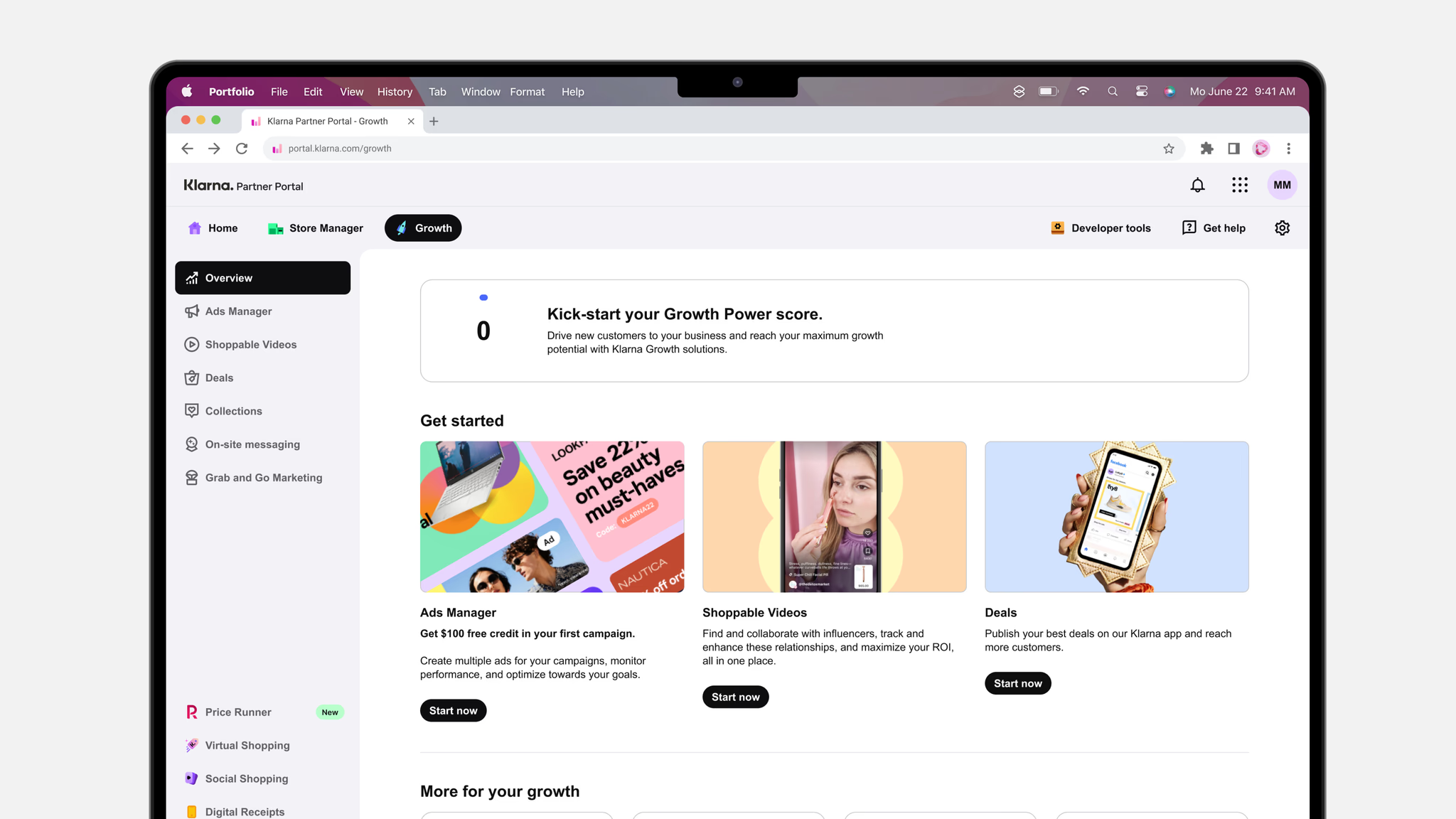
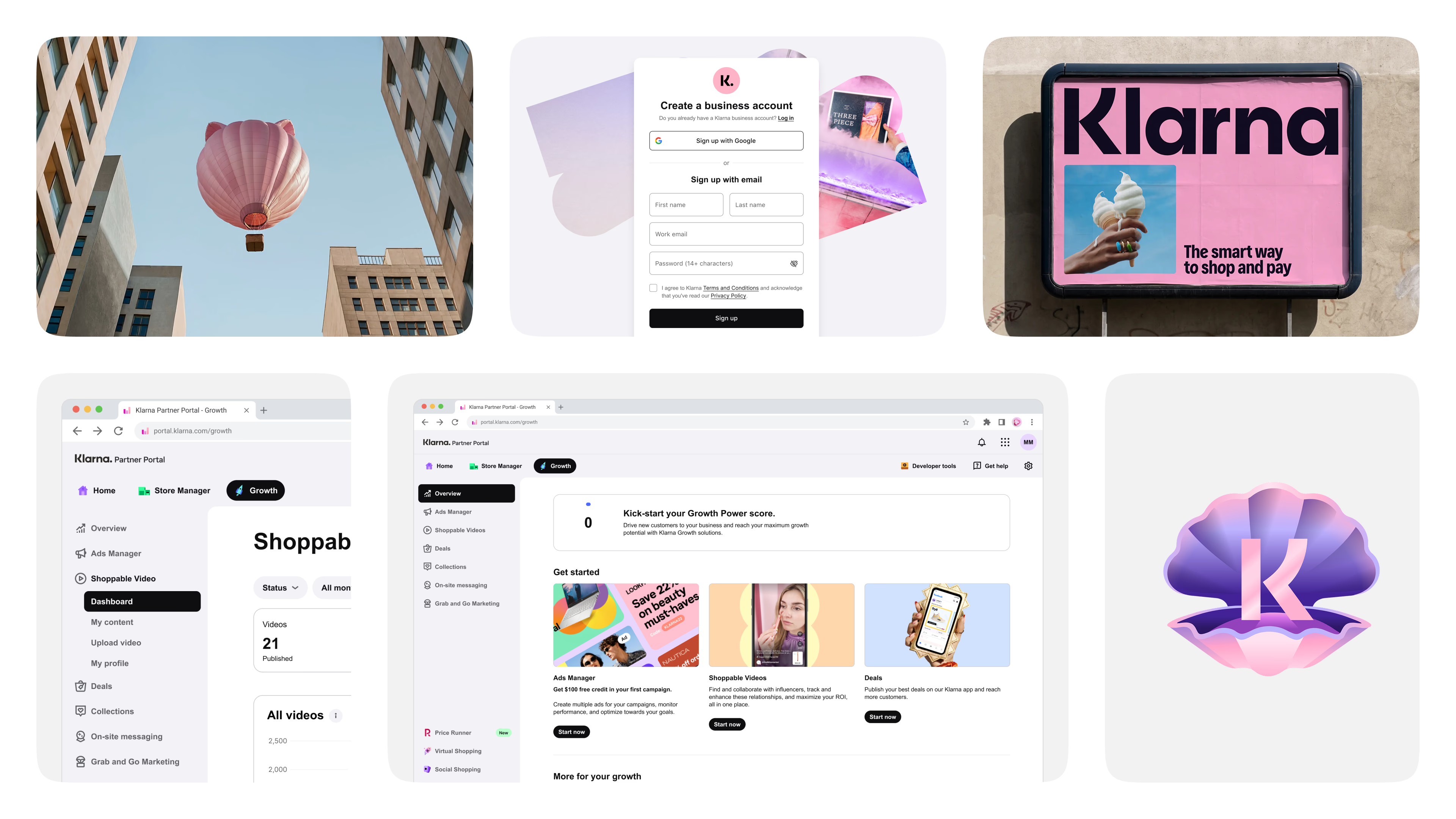
Led the Klarna merchant portal redesign for Shoppable Video. 35% of merchants weren't using the portal after signup. The root cause wasn't navigation, each tool had its own mental model. Redesigned IA around one mental model and made the portal the hub for analytics, editing, and publishing in one surface. Task time: 7 to 3 minutes.
- Fintech
- B2B
Context
Klarna's Shoppable Video feature required a merchant-facing portal for managing campaigns, viewing analytics, and publishing content. At the time, merchants using the platform worked across multiple disconnected tools: analytics in one place, content management elsewhere, campaign settings in a third. 35% of merchants weren't using the portal at all after signing up. Those who did averaged 7 minutes on tasks that should take 2. The portal was technically functional but practically abandoned.
Challenge
The instinct was to improve navigation, reorganise the menu, add shortcuts, improve the information hierarchy. But fragmented tools with separate mental models can't be fixed with a better menu. Each tool was built independently, with its own logic and its own vocabulary. A merchant switching from analytics to campaign editing wasn't just navigating, they were context-switching between completely different ways of thinking about their work. The right fix was a new information architecture built around one mental model.
Research
I focused research on task time, not feature requests. Which tasks took longest and why, not what merchants wished existed. I also benchmarked Shopify and Stripe's B2B self-serve flows: where they succeeded at information density, where they failed. Four rounds of usability testing with real merchants, not internal proxies. The research confirmed that the problem was structural: merchants couldn't move between analytics and campaign editing without losing context, so they avoided the workflow entirely.
My role
I led UX for the Klarna merchant portal, running in parallel with the Shoppable Video consumer product. I owned the research, IA redesign, merchant onboarding, and the design system built to scale across merchant types. This was part of the same one-year Social Shopping team engagement.
What I changed
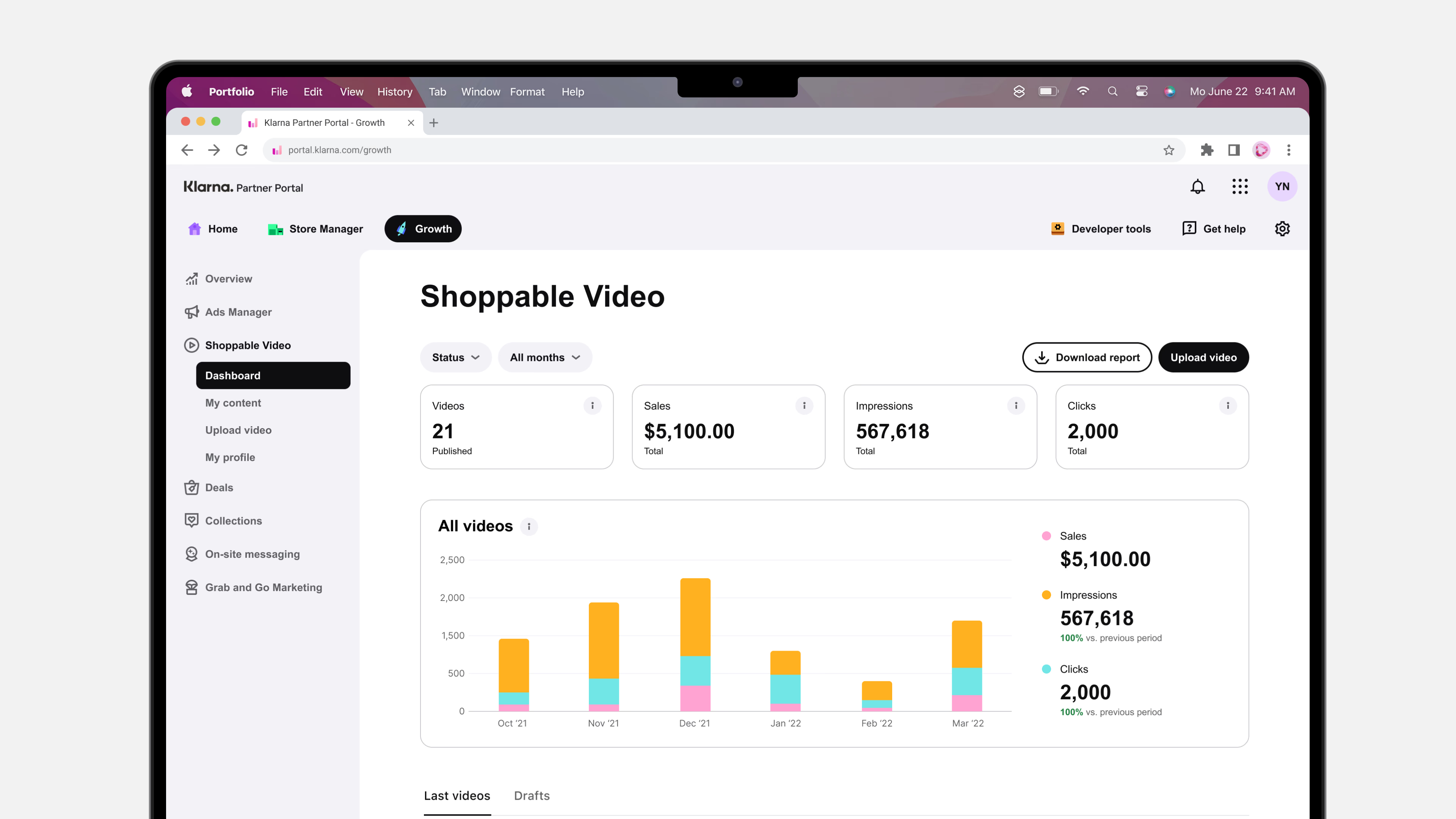
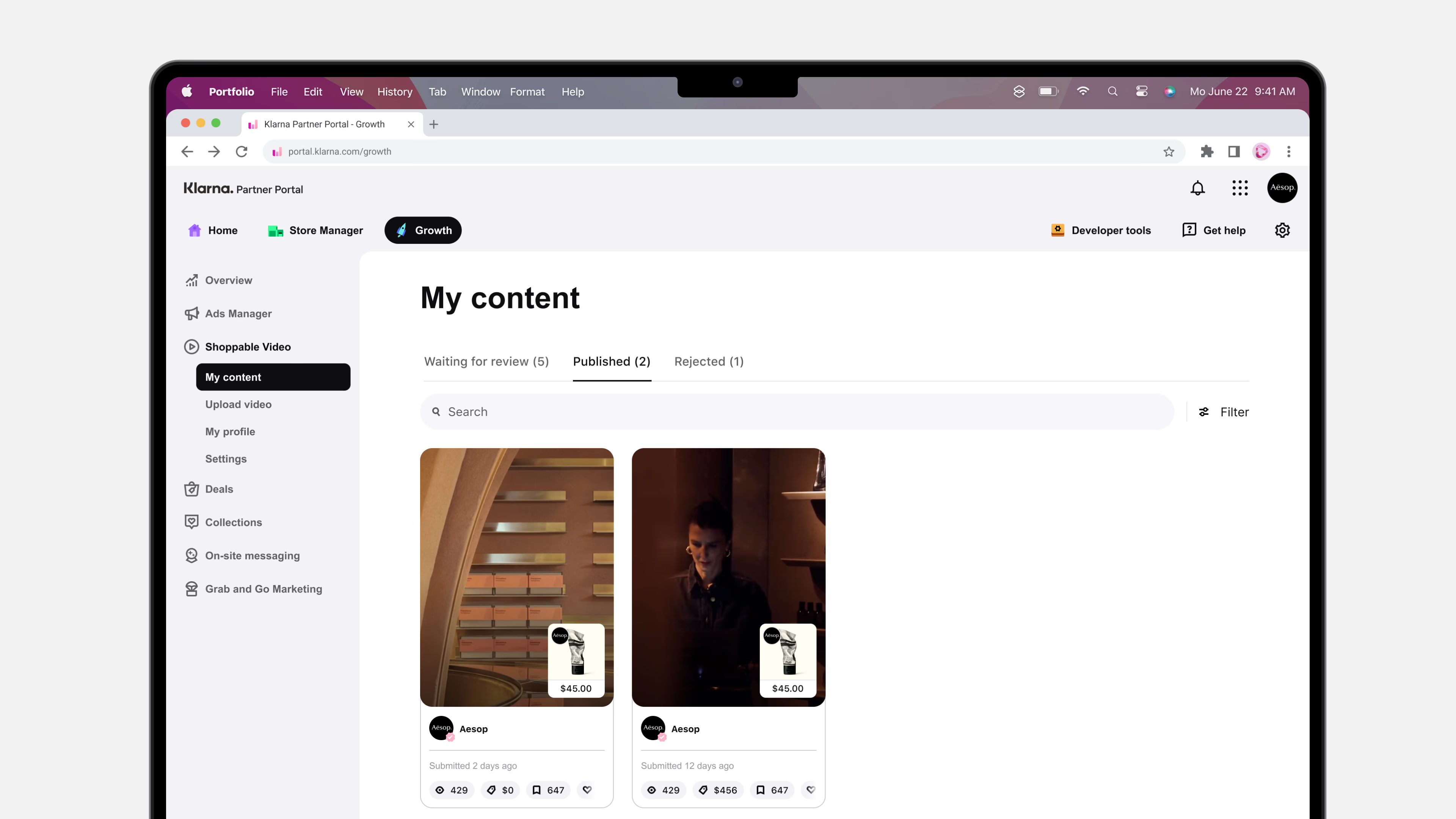
- Redesigned the information architecture around one mental model. The portal became the hub for Shoppable Video: analytics, campaign editing, and publishing in one surface. Moving from analytics to editing without a context switch was the intervention that changed the adoption pattern.
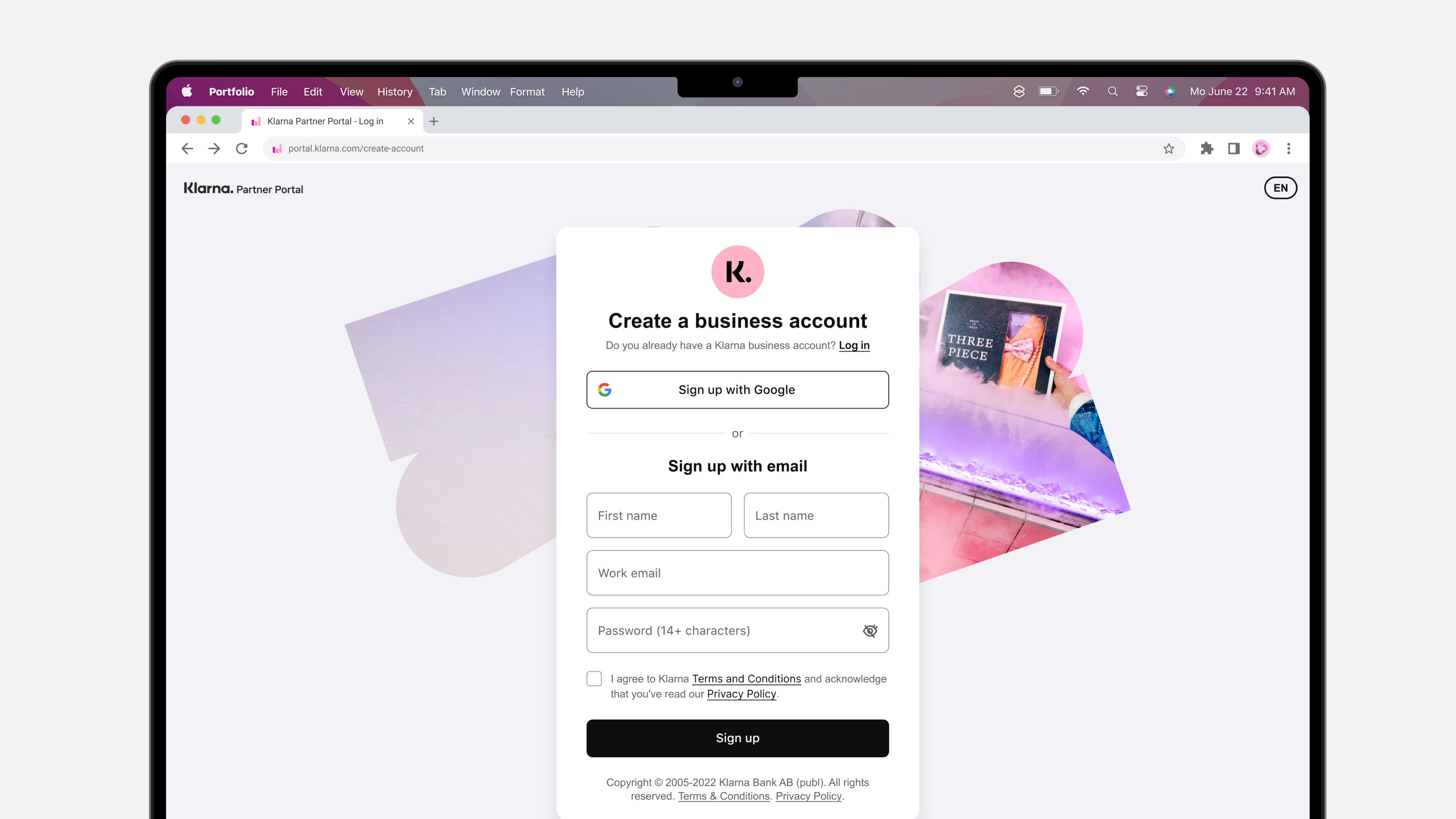
- Redesigned merchant onboarding to prove product value before asking for configuration. The first session had to show merchants what the product could do for them before presenting setup steps. Value before complexity.
- Built a design system for the portal that scaled across merchant types, different campaign volumes, different team sizes, different regional markets, without requiring custom builds per merchant segment.
Outcome
Task completion time: 7 minutes to 3 minutes. Portal adoption: 65% to 92%. CSAT: 68% to 90%. The adoption shift tracked directly with the IA change, merchants who previously avoided the portal started using it as their primary workflow surface once analytics and editing lived in the same context.
Impact
Task completion time
3 min
from 7 min
Portal adoption
92%
from 65%
CSAT
90%
from 68%
Recommendations
“Peter is nothing short of a top-notch designer who has seriously propelled Klarna becoming the world's #1 shopping destination through first-class design and phenomenally thought-through user experience, driven by both his expert eye for design and consistently accurate view, but also informed by data and what performs.”



Have a product flow that feels harder to explain than it should?
Send me your product, MVP, deck, or prototype. I'll tell you where I'd start.