“His ability to turn complex problems into intuitive, elegant solutions is rare. Any team would be lucky to have Peter on board.”
Mobile onboarding: from 70% drop-off to 38% trial conversion
Redesigned Guesty mobile onboarding by splitting Lite and Pro users into separate flows instead of a single flow with conditional logic. Based on 5,000+ session analysis and user interviews per tier. Trial-to-paid: 23% to 38%, support tickets: ~500 to ~150/month, onboarding completion: 62% to 89%.
- SaaS
- Property management
Context
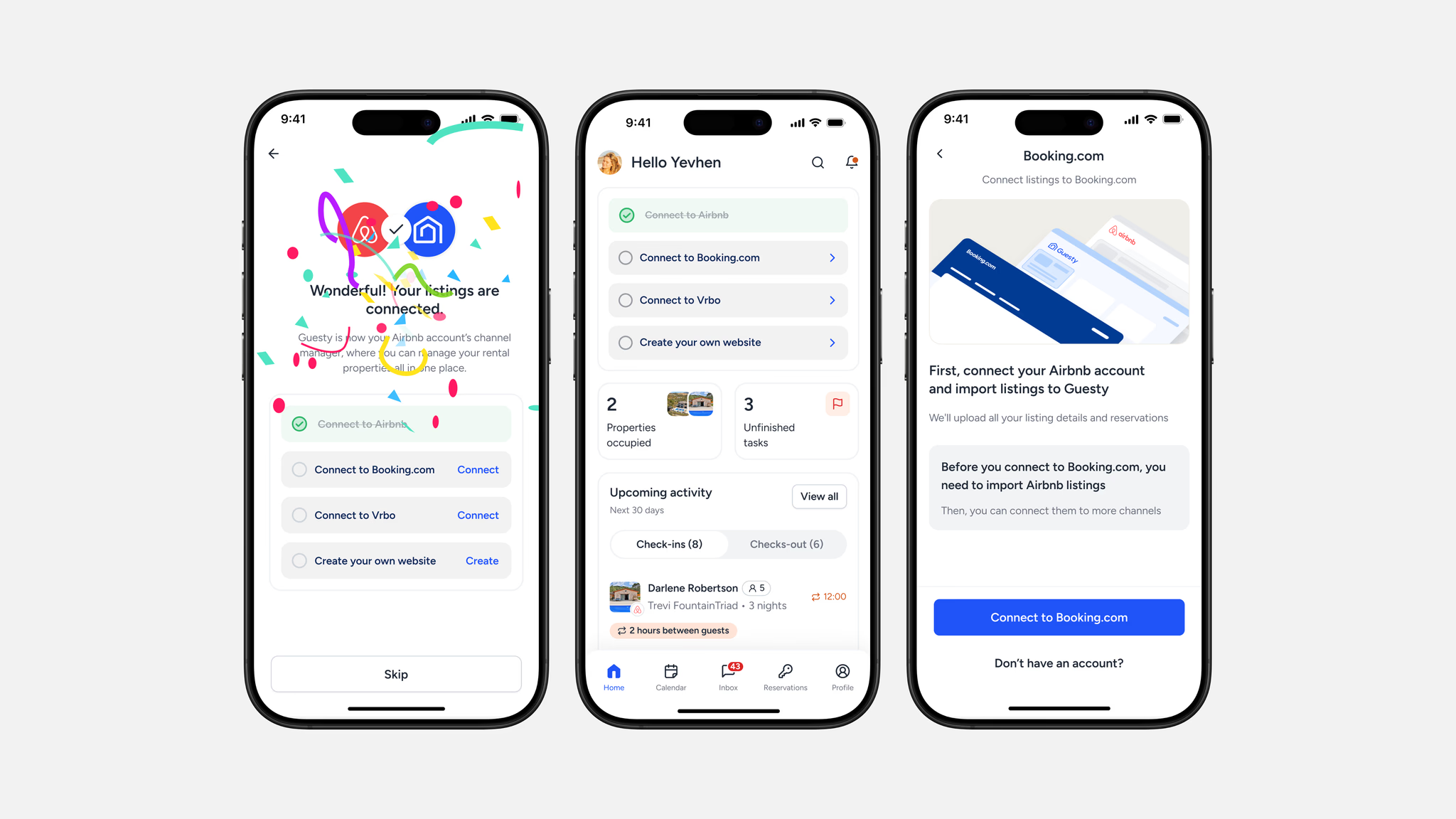
Guesty is a property management platform for professional hosts managing listings across Airbnb, Booking.com, VRBO, and others. Two distinct user types: Lite hosts managing 1-3 listings, and Pro hosts scaling to thousands. One onboarding flow that treated both the same. 70% of users abandoned before completing setup. Around 500 support tickets per month came from post-signup confusion. Trial-to-paid conversion was 23%. The product was genuinely useful once people got past setup, 7 in 10 never got there.
Challenge
The problem wasn't that the flow was too long. It was that it presented the wrong complexity to the wrong user. A Lite host setting up 2 listings doesn't need multi-listing bulk configuration options. A Pro host managing enterprise-scale operations needs them immediately. One flow with conditional show/hide logic is slightly wrong for everyone, it confuses Lite users with complexity they don't need, and frustrates Pro users with steps that feel irrelevant to their actual first task.
Research
I analysed 5,000+ onboarding sessions to locate exact abandonment points across the flow. Then interviewed Lite and Pro users separately, not to ask what features they wanted, but to understand what they expected onboarding to feel like and what they actually encountered. I also benchmarked Airbnb and Booking.com host onboarding specifically, not their consumer UX. The research confirmed the diagnosis: two different mental models, one flow, and no way to serve both well from the same starting point.
My role
I owned the full scope: research, IA strategy, flow redesign, A/B testing programme, and the Figma design system covering both Lite and Pro variants. This was in-house work, running research independently and iterating directly with product and engineering.
What I changed
- Split Lite and Pro into separate flows from first login. Two flows that speak directly to each user type are correct for everyone. Separating them also removed conditional content logic from engineering, no shared screens with visibility rules, no branching within a single flow.
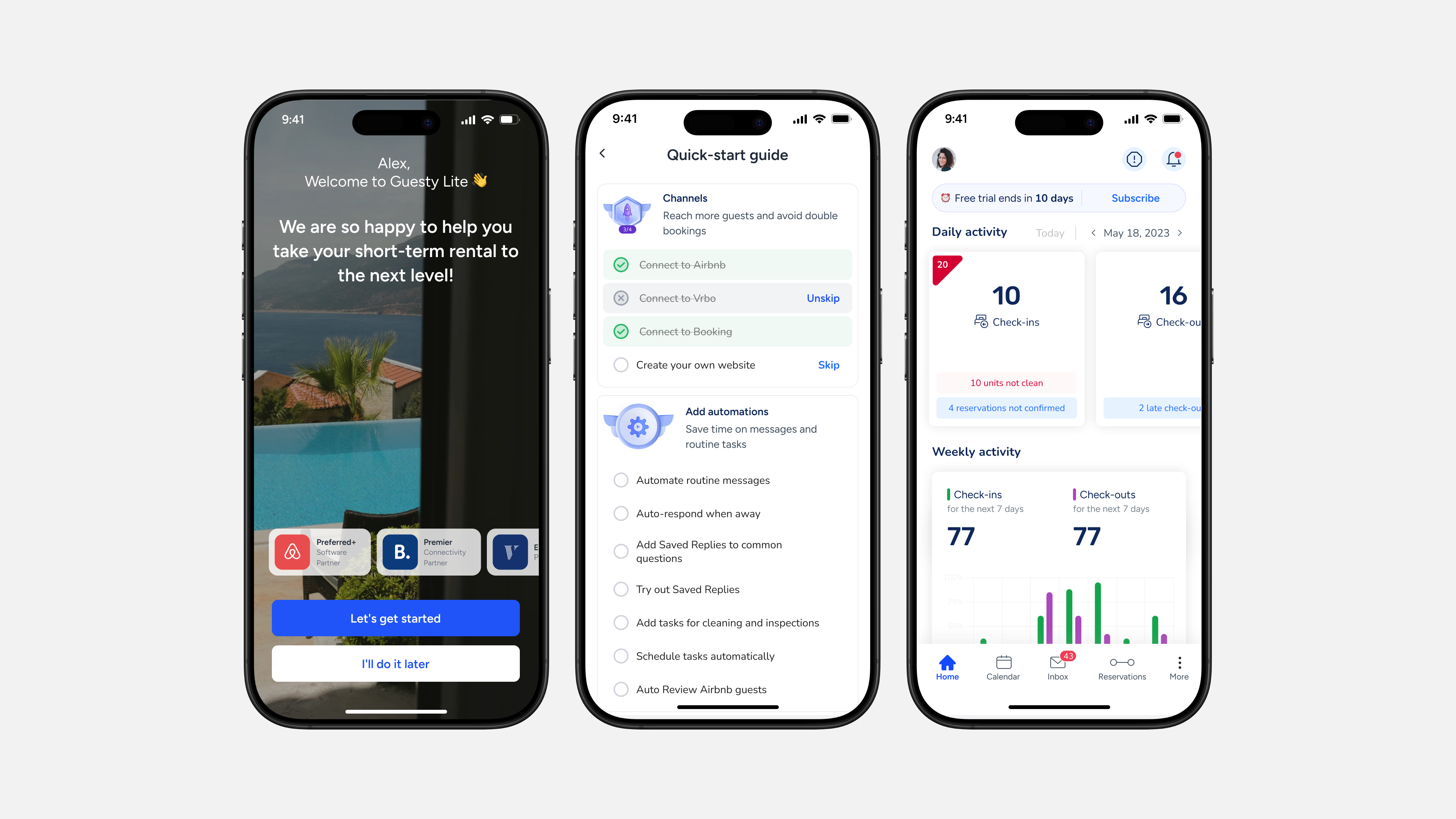
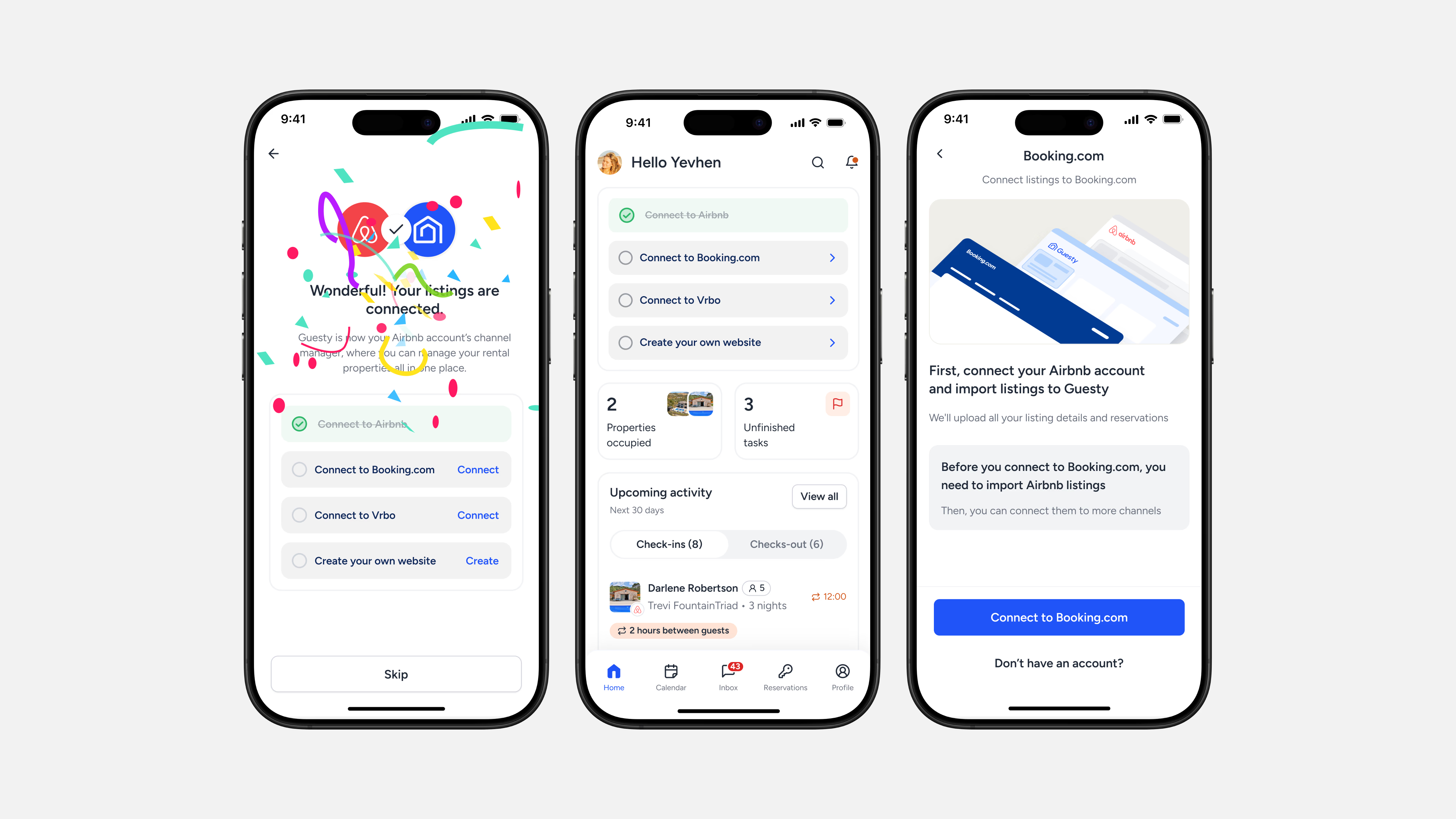
- Lite flow: simplified, linear, fast to value. Minimal configuration, immediate first task, visible progress. Pro flow: more controls upfront, guided walkthroughs for complex multi-listing configuration, inline tooltips for concepts that are non-obvious at scale.
- Onboarding had to demonstrate value before asking for effort. Redesigned the first session so users saw something useful before being asked to configure anything. Added progress indicators so users knew how far through setup they were.
- A/B tested multiple versions continuously throughout the engagement, not one redesign but iterative improvement. Each test informed the next.
Outcome
Trial-to-paid: 23% to 38%. Onboarding completion: 62% to 89%. Setup time: 3:45 to 2:10. Support tickets: ~500 to ~150 per month. The support reduction was a direct signal that users were completing setup with less confusion, the same outcome as onboarding completion, measured differently.
Impact
Onboarding completion
89%
from 62%
Trial-to-paid
38%
from 23%
Setup time
2:10
from 3:45
Support tickets/month
~150
from ~500
Recommendation
Links

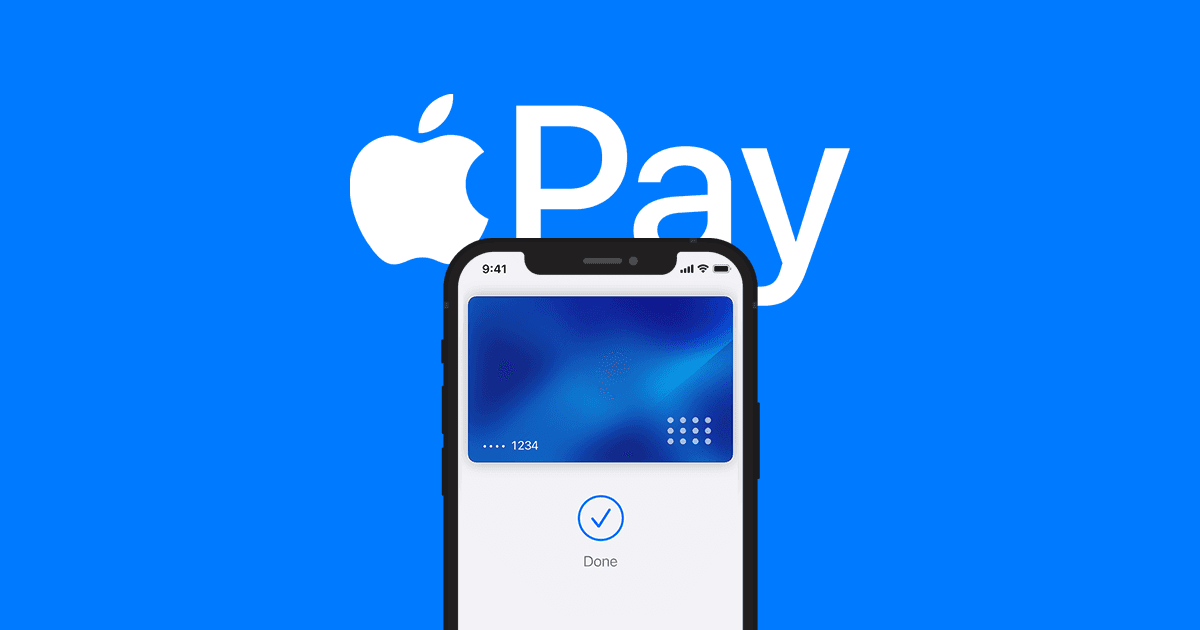
Apple Pay as a stored payment method
Redesigned EasyPark's Apple Pay implementation from inconsistent hardcoded authorisation to a recurring MIT payment-profile model spanning subscriptions, parking sessions, and camera parking.
Mobile banking redesign for three user types
Led Rakbank's mobile banking redesign across three user types, retail customers, SME owners, relationship managers, using one shared token system.
Have a product flow that feels harder to explain than it should?
Send me your product, MVP, deck, or prototype. I'll tell you where I'd start.